
Can I Still Eat Desserts After Bariatric Surgery?
 Food is fuel, but it also connects us to culture, tradition, celebration, and memory. Can I still eat desserts after bariatric surgery? is a fair question.
Even though the short answer is yes, it’s within the context of new eating patterns. Bariatric surgery changes the gut, the brain, hunger signals, and even how sweetness feels on the tongue.
Is There a “Wrong” BMI for Bariatric Surgery?
 Bariatric surgery is one of the most effective treatments for people with severe obesity and its related health risks. But when it comes to eligibility, there can be some confusion around a key number: body mass index (BMI).
Updates in 2022 to professional guidelines show that the answer isn’t as simple as it once was. The American Society for Metabolic and Bariatric Surgery (ASMBS) and the International Federation for the Surgery of Obesity and Metabolic Disorders (IFSO) have expanded their recommendations, reflecting a more individualized and medically nuanced approach.1
After Bariatric Surgery Protein: Plant vs Animal
Protein is protein, right? Not exactly.
As a macronutrient, protein is the building block of bones, muscles, skin, hair, nails, and organs. It fuels muscle repair, supports immune function, participates in metabolic reactions, and even serves as an energy source when calories are tight. Healthy adults typically need about 0.8 grams per kilogram of body weight, making up 10-35% of daily calories, in order for these functions to occur.
Carbonated Beverages and Beer Are a No-No

From the fizz of soda to the frothy head of a cold beer, carbonated beverages are woven into modern culture as part of our social and dietary habits. They’re marketed as refreshing, celebratory, and relaxing. But there’s more to it beneath the bubbles.
Carbonated drinks, and especially beer, for a post-surgery bariatric patient could carry digestive and metabolic drawbacks that are easy to overlook. It may be wise to step back from the bubbles and consider healthier alternatives.
The Food Rainbow: Packing a Colorful (and Healthy!) Plate
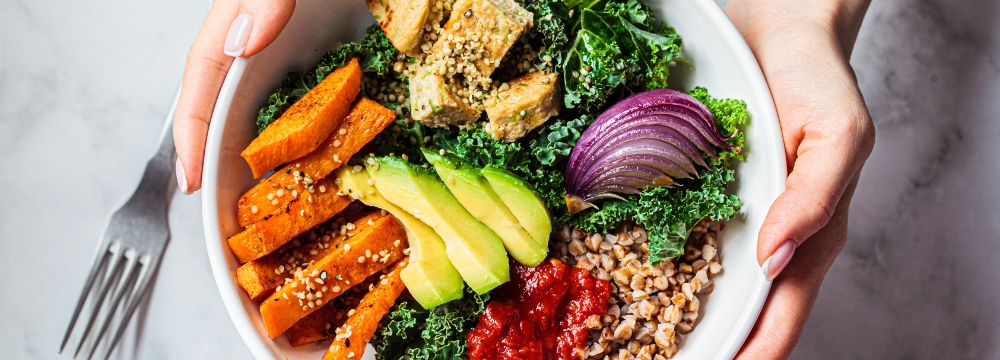
Scroll through social media, and the most eye-catching dishes often have one thing in common – color. A pop of red from ripe tomatoes, deep purple berries, crisp green herbs, or bright orange squash is attention-grabbing.
Visually, color signals freshness, texture, and appeal. But beyond aesthetics, those vibrant hues reflect a nutritional backstory: variety in color equals variety in health-promoting compounds. Each pigment corresponds to a unique profile of phytochemicals with distinct protective effects on the body.
When dietary advice recommends eating a variety of colors, it refers to the edible spectrum of bioactive benefits, not just aesthetically pleasing plates.
One Foot In Front of the Other: Pre- and Post-Surgery Exercise

Your body may be one of the best tools you have for supporting weight loss. How so? By putting one foot in front of the other.
Bariatric surgery kickstarts a major health transformation, but how you move your body helps keep the momentum going. Low-impact movement tailored to your current ability might not seem like much, but small, consistent increases in activity help manage weight, boost mood, and improve energy while building stamina and mobility.
The more consistently you integrate exercise before and after surgery, the more benefits you’re likely to see.
Why Do I Have Gallstones & Does It Matter?
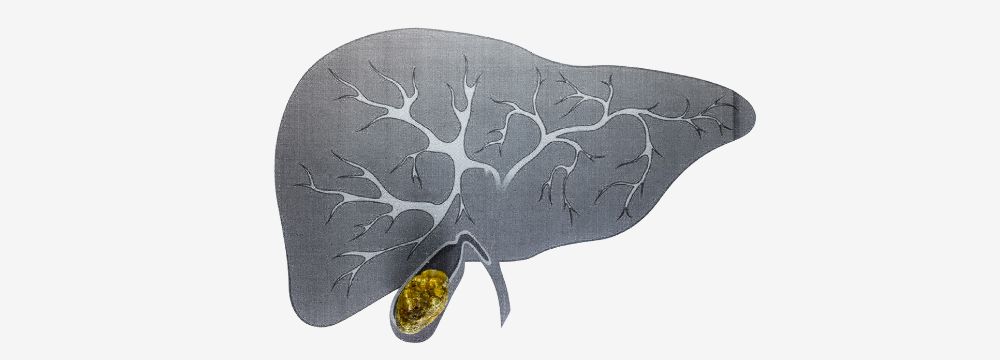
The human body is complex. Really complex. With remarkable complexity comes the occasional “glitch.” According to NIH’s Institute of Diabetes and Digestive and Kidney Diseases (NIDDK), gallstones affect 10-15% of the U.S. population – that’s roughly 25 million people. So why are so many bodies making gallstones?
Removing a Lipoma and Other Cysts
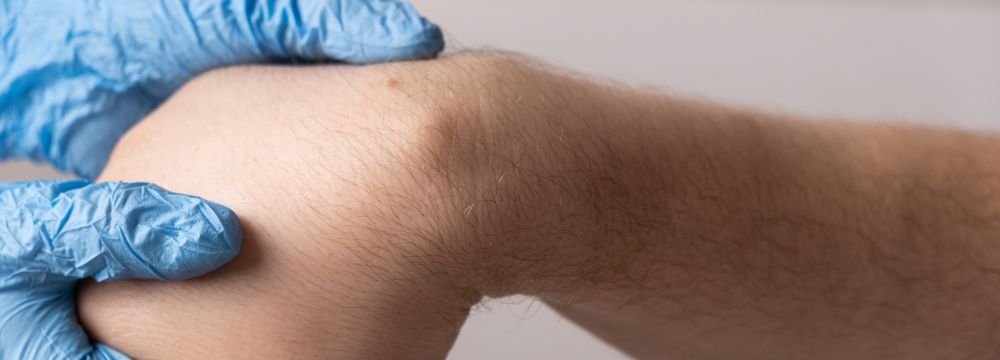
Lumps, Bumps, and Removal
Finding a lump is scary. Even the coolest cucumbers have a hard time with the emotions that come up. Just recently, a well-known TV personality opened up about discovering a lump, navigating the stress of imaging, and ultimately choosing to have it operated on. But not every lump spells bad news.
Her story, like so many others, reminds us that while the experience can be unsettling, the outcome isn’t always dire. Many lumps turn out to be completely harmless and can be easily surgically removed. Hopefully, the following few paragraphs will help you stay calm if you find one, and give you some peace of mind on tackling them.
How Do PPI’s Work Differently From Antacids?

Antacids, H2-blockers, and PPIs: There is a Difference
Three different medicine families for the same condition? Well, yes, for several reasons, actually – mechanism of action, tolerance, and patient variability, and stage or severity of the condition are some of the main ones. Before we dive into the differences, let’s backtrack just a bit.
Fiber Has Rules? A Guide for Weight Loss Patients
“Eat your roughage.”
“Stay regular, stay healthy.”
“Get plenty of fiber.”
Sound familiar?
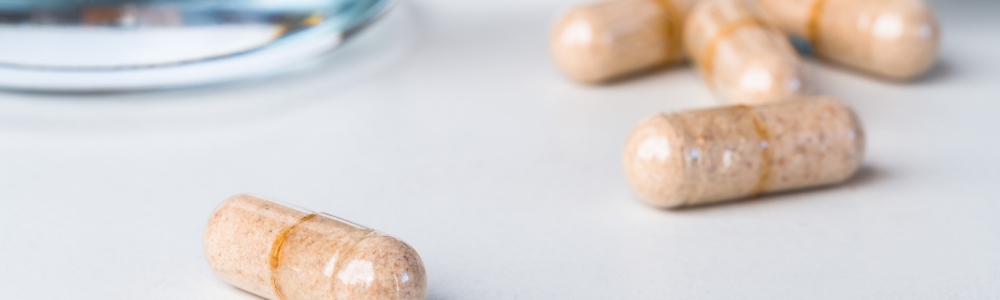
Many are aware of it, but according to the U.S. Department of Agriculture (USDA), upwards of 90% of adults aren’t getting their daily dose of about 28 grams. How can so many people be so off-target? Neglecting a balanced diet is a likely suspect – but also not consuming the right fiber can throw things off. There are different types of fiber, different ways to consume it, and various foods that contain it. So, how do you choose? We’ll break down what fiber does, the forms it comes in, and how to reap the benefits.
Categories
Archives

Get Started
Register today for benefits!


Success Stories
See our patient testimonials.

Patient Portal
Access to your medical records.