
Cut the Calories in Rice by Cooking it Differently
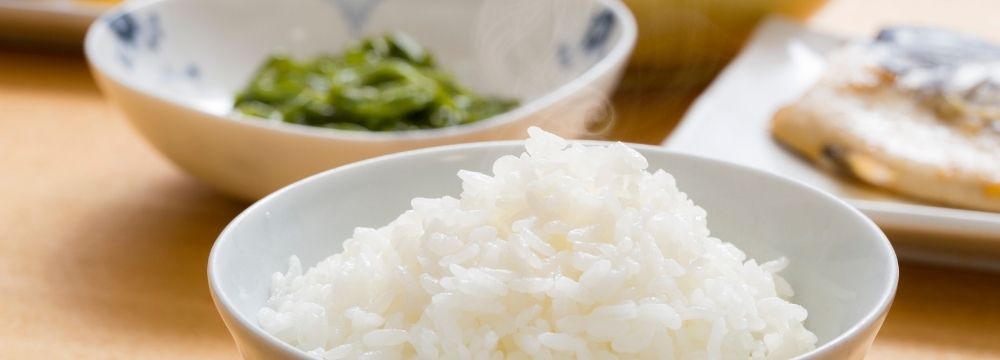
Rice is one of the most widely eaten foods in the world, but for people trying to manage weight, blood sugar, or calorie intake, it often ends up on the “limit or avoid” list after bariatric surgery. Different varieties contain different nutrient profiles, but they are generally considered carb-heavy and easy to overeat.
But what if the way rice is cooked could change how the body processes it?
Researchers explored whether simple changes in cooking and cooling rice can reduce the number of calories the body actually absorbs. So, does it work?
Why is Rice Off-Limits in the First Place?
Rice is rich in starch, a carbohydrate that breaks down into glucose during digestion. That glucose is either used immediately for energy, stored as glycogen in the liver and muscles for later use, or converted to fat when intake exceeds demand.
Most cooked rice contains a high proportion of digestible starch. What does that mean? Enzymes in the small intestine can easily break it down and absorb it, causing rapid rises in blood sugar and contributing to weight gain.
This affects GLP-1 receptor agonist (GLP-1 RA) effectiveness as well. Refined white rice can spike blood sugar, counteracting some benefits of GLP-1 RAs and leading to crashes or cravings. Whole grains, like brown rice, on the other hand, can actually slow sugar absorption and increase fullness due to the nutrients and fiber it retains.
What Is Resistant Starch?
Instead of being digested in the small intestine, resistant starch passes through to the large intestine, where it’s fermented by gut bacteria. Digestible starch is broken down and absorbed by the body, but resistant starch acts more like dietary fiber and doesn’t contribute usable calories. It isn’t “calorie-free,” it just reduces caloric absorption. Like dietary fiber, resistant starch can improve post-meal blood sugar response, increase satiety, and interact with lipid metabolism.
What is This Cooking Hack?
Researchers from Sri Lanka presented findings at the American Chemical Society showing that rice’s resistant starch content can be increased by altering how it’s cooked and cooled.1 For the experiment, researchers boiled the rice for 40 minutes with a teaspoon of coconut oil for every cup of dry rice. Once cooked, the rice was refrigerated for 12 hours before reheating and eating. Some versions of the experiment also included drying steps to further stabilize the starch structure.
In everyday kitchens, we typically cook rice for about 20 minutes, and eat it shortly afterwards. It appears that the most important step in these studies was the cooling part. As the rice cools, some components rearrange into a tighter structure that digestive enzymes have a harder time breaking down; this is the conversion of digestible starch into resistant starch. Cooling changes the shape of the starch, making some of it behave more like fiber. Reheating the rice for consumption does not appear to undo this structural change. Once the starch has retrograded (changed shape), it’s more resistant to digestion, even when warmed, because a chemical reaction has actually occurred; reheating it doesn’t change anything.
Variation in real-world cooking methods and the type of rice used can alter calorie absorption, so the effects observed in these controlled studies may differ when applied at home. This method could modestly reduce calorie absorption, but it’s not guaranteed to produce a dramatic change.
Keep it in Check
This cooking method can potentially improve how rice fits into your diet. But it doesn’t change the fundamentals. Rice is still carbohydrate-dense, low in protein, and easy to overconsume. Even with increased resistant starch, rice can easily crowd out protein and other essential nutrients in a smaller gastric pouch. Portion control and food pairing are far more important than cooking tricks alone.
For weight loss and post-bariatric eating, rice should remain a small, intentional component of a protein-forward meal, not the centerpiece. Cooking hacks are not workarounds for building a sustainable, balanced diet.
If you need help navigating dietary needs, our team at Advance Bariatric and Surgical Specialists is here to help.
- American Chemical Society (ACS). (2015, March 25). New low-calorie way to cook rice could help cut rising obesity rates. ScienceDaily. www.sciencedaily.com/releases/2015/03/150323075233.htm.
Categories
Archives

Get Started
Register today for benefits!


Success Stories
See our patient testimonials.

Patient Portal
Access to your medical records.